Recently, the Hekou District Yihe Town Biomass Cogeneration Project of Shandong Fuyu Petrochemical Co., Ltd., designed by ShanDong Yangguang Engineering Design Institute Co., LTD (hereinafter referred to as "the Institute"), a subsidiary of Sunpower Technology Group, has been officially put into operation.
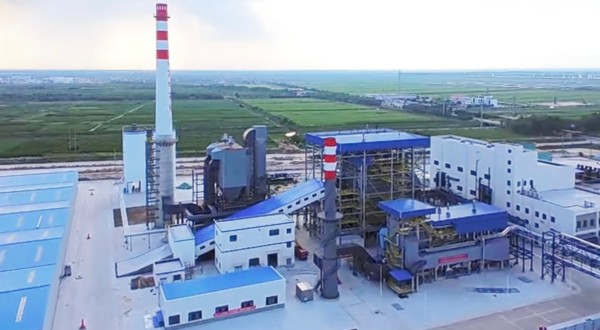
The project is equipped with "1 × 170 t/h high-temperature high-pressure biomass single-row vibrating grate boiler + 1 × 170 t/h high-temperature high-pressure natural gas boiler + 1 × 20 MW back-pressure extraction steam turbine generator unit." Among these, the 170 t/h high-temperature high-pressure biomass single-row vibrating grate boiler is currently the largest of its kind in China. It adopts advanced domestic technology and imposes extremely high requirements on the foundation structure of the vibrating grate.
Leveraging years of extensive design experience, the Institute comprehensively considered complex factors such as equipment vibration load distribution, vibration frequency, geological conditions, and environmental elements, and innovatively carried out an optimized "rigid-flexible combination" foundation structure design. By applying numerical simulation technology and structural analysis methods, and implementing measures such as semi-rigid vibration isolation with sand cushions and flexible vibration isolation with rubber pads in corresponding areas, the design ensured seismic performance, anti-settlement capacity, and overall stability of the foundation structure. This design effectively reduces vibration transmission and noise impact during equipment operation, significantly enhances the safety and reliability of the boiler system, extends the equipment's service life, and ensures long-term efficient, stable, and continuous operation of the boiler, laying a solid foundation for the sustainable development of the project.
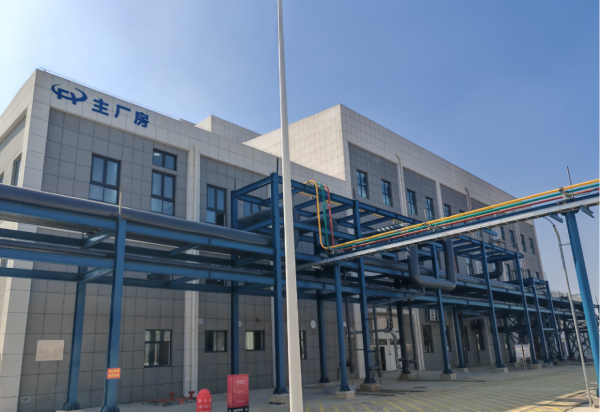
As the first biomass cogeneration project undertaken by the Institute to fully pass acceptance and obtain the building property ownership certificate before commissioning, the project team adopted a "design-construct-accept in parallel" approach, overcoming numerous challenges. Typically, thermal power projects require completion of acceptance within 15 months after unit handover for production. To ensure timely project commissioning and full acceptance before operation, the project team innovated in work methodology. On one hand, they scientifically planned the progress execution plan, breaking down the overall schedule into key milestones with detailed timelines and resource allocation schemes. On the other hand, they flexibly coordinated drawing releases across various disciplines, arranging the sequence and timing based on construction urgency and on-site needs, and actively supported over ten on-site acceptance inspections organized by the client. These efforts provided strong assurance for full acceptance before commissioning and ultimately achieved the goal of obtaining the building property ownership certificate smoothly before operation.
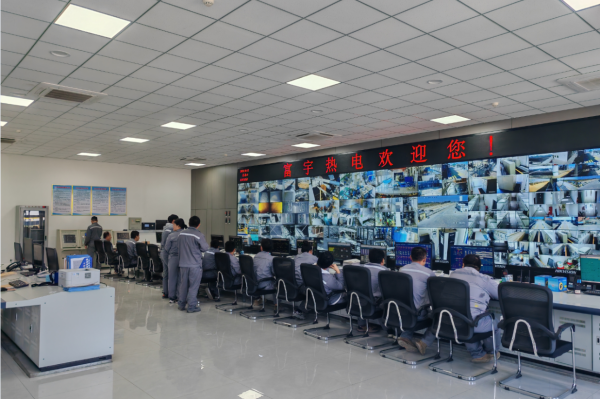
The successful commissioning of this project effectively addresses the environmental pollution caused by open burning of agricultural and forestry waste. It transforms previously discarded agricultural and forestry resources into usable production raw materials, involves local farmers in the supply chain, and creates new income growth opportunities for rural communities. Meanwhile, the project is expected to reduce carbon dioxide emissions by approximately 150,000 tons annually, significantly decreasing reliance on fossil fuels and further optimizing the energy structure. It truly achieves "cost-effective environmental protection," promoting both economic and social benefits for the local area, and providing a replicable demonstration case for the large-scale development and utilization of biomass energy in China.
Looking ahead, the Institute will continue to firmly respond to the national "Dual Carbon" strategy, accelerating the construction of a clean, low-carbon, safe, and efficient energy system through technological innovation and high-quality engineering services, contributing key strength to the transformation and upgrading of China's energy structure, industrial framework, and economic model.